Going to an adventure park can be an exciting way to spend a day with family, friends, classmates or colleagues. But before leaving home, it is worth spending a few minutes preparing the right things to carry.
A good adventure-park checklist is not about carrying a heavy backpack. It is about taking the essentials that can make your visit more comfortable while avoiding unnecessary valuables and items that may interfere with activities.
Depending on the park, you may spend several hours walking, climbing, waiting between activities and participating in outdoor experiences. Weather can also change the requirements, particularly during India’s summer and monsoon seasons.
The most important rule is to check the specific park’s instructions before your visit. Adventure activities can have different equipment, clothing, footwear, age and participant requirements. India’s adventure-tourism framework also emphasises activity-specific safety procedures and appropriate equipment.
Quick Adventure Park Checklist
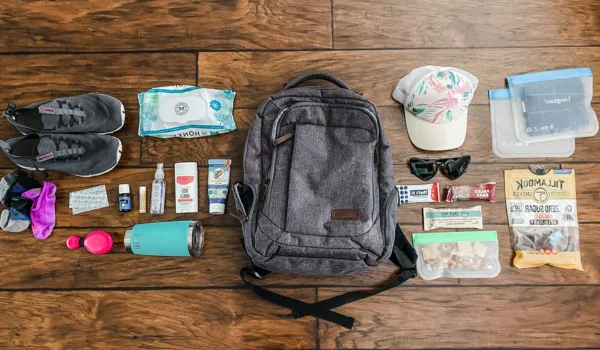
Before leaving home, consider carrying:
- Water bottle
- Mobile phone
- Booking confirmation
- ID if required by the park
- Some payment method
- Sunscreen
- Cap or hat
- Small towel
- Extra clothes
- Extra socks
- Personal medicines, if required
- Waterproof bag for wet clothes
- Small power bank
- Basic personal hygiene items
You do not necessarily need to carry everything on this list. Your requirements depend on the park, activities, season and duration of your visit.
- Water Bottle
A water bottle should be one of the first things on your checklist.
Adventure activities can involve considerable walking and physical movement, particularly at outdoor parks.
A reusable bottle is generally practical because you can refill it where drinking-water facilities are available.
Before visiting, check whether the park:
- Allows outside water bottles
- Provides drinking-water stations
- Restricts certain types of bottles
For a full-day outdoor visit, staying hydrated can make the experience considerably more comfortable.
- Booking Confirmation
If you have purchased tickets online, keep your booking confirmation accessible.
You may need:
- Booking reference
- QR code
- Digital ticket
- Confirmation email
- Payment confirmation
Keeping a screenshot available can be useful if mobile connectivity at the entrance is poor.
However, follow the park’s own entry requirements because some venues may require a specific ticket or identification process.
- Identification
Some adventure parks may ask for identification for particular bookings, memberships, discounts or age-related verification.
You can carry an appropriate ID if the park specifically requires it.
Do not carry unnecessary sensitive documents.
Before leaving, check the booking terms to determine whether identification is actually needed.
- Mobile Phone
A smartphone can be useful for:
- Digital tickets
- Navigation
- Emergency communication
- Photos
- Contacting family or friends
- Online bookings
But your phone should not become a distraction during activities.
For ziplining, rope courses, climbing and similar activities, follow the instructor’s instructions regarding phones and personal belongings.
Some activities may require phones to be stored securely.
- Power Bank
If you are spending most of the day at a park, your phone battery may run down.
A small power bank can be useful for:
- Navigation
- Photography
- Online tickets
- Emergency calls
However, keep electronic devices safely stored during adventure activities.
- Sunscreen
For outdoor adventure parks, sunscreen can be useful, especially during India’s hotter months.
Consider applying it before leaving home and carrying it for reapplication according to the product instructions.
Sun exposure can increase when you spend several hours outdoors.
Sunscreen is particularly useful when your itinerary includes:
- Outdoor obstacle courses
- Rope activities
- Ziplining
- Cycling
- Walking
- Open-ground games
- Cap or Hat
A cap can provide some protection from direct sunlight.
It can be useful during:
- Summer visits
- Outdoor waiting areas
- Walking between activity zones
- Picnic or lunch breaks
However, you may need to remove it for certain activities or when wearing helmets and other safety equipment.
Never place a cap or other item under safety equipment unless the activity operator permits it.
- Small Towel
A small towel takes little space and can be surprisingly useful.
It can help after:
- Sweating
- Water activities
- Rain
- Outdoor games
- Physical activities
For children, carrying a small towel is particularly practical.
- Extra Clothes
An extra set of clothes can be useful even if you are not planning to participate in water activities.
You may encounter:
- Rain
- Mud
- Sweat
- Dust
- Water-based attractions
Carry at least:
- One extra T-shirt
- Extra bottoms where practical
- Extra socks
This becomes particularly useful during monsoon or summer visits.
- Waterproof Bag
A waterproof or plastic-lined bag can be used for:
- Wet clothes
- Dirty clothes
- Wet towels
- Damp socks
It keeps the rest of your belongings dry and organised.
A simple reusable waterproof pouch is often enough.
- Extra Socks
Socks can become wet or uncomfortable during outdoor activities.
Carrying one extra pair is a simple precaution.
It becomes particularly useful if:
- It is raining
- You are visiting a water-based attraction
- You expect to spend the entire day outdoors
- Children are participating
- Personal Medicines
If you regularly need prescribed or personal medication, carry what you normally require according to your doctor’s instructions.
Keep medicines appropriately packed and accessible.
For children, parents should ensure that necessary medicines and relevant instructions are available to the responsible adult accompanying them.
Do not depend on an adventure park to provide your personal medication.
For emergency or medical situations, ask the park about its first-aid and emergency arrangements before the visit.
- Basic Personal Hygiene Items
For a full-day visit, a small hygiene kit can be useful.
Depending on your needs, it may contain:
- Tissues
- Hand sanitiser
- Wet wipes
- Small soap
- Personal hygiene products
- Lip balm
Keep the kit compact rather than carrying a large toiletry bag.
- Sunglasses
Sunglasses can be useful during bright outdoor conditions.
However, they should be securely stored during activities where they could fall or interfere with equipment.
If you wear prescription glasses, check with the activity operator about whether they can safely be worn during the particular activity.
- Small Snack
Whether you should carry food depends on the park’s rules.
Some parks allow outside food in designated areas, while others may have restrictions.
If permitted, a small snack can be useful for a long visit.
Examples include:
- Fruit
- Dry snacks
- Energy bars
- Biscuits
Avoid carrying messy or easily spoiled food unless appropriate storage is available.
Always check the park’s outside-food policy first.
- Cash and Digital Payment
Many venues accept digital payments, but carrying a small amount of cash can sometimes be useful.
You may need money for:
- Food
- Lockers
- Parking
- Souvenirs
- Additional activities
However, do not carry large amounts of cash.
Use the payment methods accepted by the park.
- Small Wallet
Carry only what you actually need.
A compact wallet can contain:
- Necessary ID
- Payment method
- Small amount of cash
- Essential cards
Avoid carrying unnecessary cards and documents.
- Locker-Friendly Packing
Many adventure parks provide lockers or designated storage areas.
If available, use them for belongings that should not be taken onto activities.
Items that may need to be stored include:
- Mobile phones
- Wallets
- Watches
- Bags
- Jewellery
- Extra clothing
Never assume that a loose personal item can be carried during an adventure activity.
- What to Carry for Children
Children may need a slightly larger checklist.
Parents can consider carrying:
☐ Water bottle
☐ Extra clothes
☐ Extra socks
☐ Small towel
☐ Cap
☐ Sunscreen
☐ Snacks, if permitted
☐ Personal medicines, if required
☐ Tissues/wet wipes
☐ Waterproof bag
For younger children, an extra complete outfit can be particularly useful.
- What to Carry During Summer
Indian summer conditions can make outdoor visits more demanding.
Summer checklist
- Water bottle
- Sunscreen
- Cap
- Sunglasses
- Light towel
- Extra T-shirt
- Electrolyte drink if appropriate for you
- Personal medicines if required
Plan your breaks around the park’s facilities and activity schedule.
- What to Carry During Monsoon
Monsoon requires a slightly different packing strategy.
Monsoon checklist
- Extra clothes
- Extra socks
- Small towel
- Waterproof bag
- Quick-dry clothing
- Suitable footwear
- Waterproof phone pouch where useful
Do not assume that all outdoor activities will operate during heavy rain.
Weather-related closures or restrictions are ultimately determined by the park’s operating and safety procedures.
- What to Carry During Winter
Winter packing depends heavily on the region.
For northern India, mornings can be significantly cooler than afternoons.
Consider:
- Light jacket
- Sweatshirt
- Comfortable clothing
- Water bottle
- Lip balm
- Personal essentials
Avoid carrying extremely bulky clothing if you will participate in activities requiring harnesses or other safety equipment.
- What to Carry for Water Activities
If your adventure park includes water activities, consider carrying:
- Extra clothes
- Extra underwear
- Extra socks
- Towel
- Waterproof bag
- Appropriate swimwear if permitted/required
- Waterproof phone pouch
Check the park’s specific rules about swimwear, outside towels and changing facilities.
- What to Carry for Ziplining and Rope Activities
For activities involving harnesses and safety equipment, you generally need fewer personal items rather than more.
Carry:
- Comfortable clothing
- Closed-toe shoes where required
- Minimal accessories
- Water bottle for use before/after the activity
Leave loose belongings in the designated storage area.
The Indian adventure-tourism guidelines emphasise activity-specific personal protective equipment and procedures for activities such as high ropes and zip wires.
The park should provide or specify the required technical safety equipment; visitors should not substitute their own equipment unless explicitly authorised.
- What Not to Carry
Some things are better left at home.
Avoid carrying:
- Large amounts of cash
- Expensive jewellery
- Unnecessary valuables
- Large handbags
- Fragile electronics
- Loose accessories
- Bulky luggage
- Items prohibited by the park
- Unnecessary documents
The less you carry, the easier it is to move around the park.
- Don’t Carry Loose Jewellery
Avoid:
- Long necklaces
- Dangling earrings
- Loose bracelets
- Chains
- Large rings
These can interfere with activity equipment or become lost.
A simple approach is:
Wear minimal accessories on an adventure day.
- Don’t Assume Your Phone Can Go Everywhere
Your smartphone may be one of your most valuable belongings.
Adventure activities can involve:
- Height
- Water
- Dirt
- Movement
- Harnesses
- Climbing
Therefore, do not take your phone onto an activity unless the operator specifically permits it.
Use lockers or designated storage where available.
- Don’t Carry a Large Backpack
A large backpack may be inconvenient during a full day of adventure activities.
You may need to repeatedly remove it before participating in activities.
A better strategy is:
Small essentials + locker/storage for everything else.
If the park has no storage facilities, check its bag policy before travelling.
- A Minimal Adventure Park Day Bag
If you want to travel light, your bag can contain:
Essential
- Phone
- Booking confirmation
- Wallet
- Water bottle
Comfort
- Sunscreen
- Cap
- Small towel
Backup
- Extra T-shirt
- Extra socks
- Waterproof bag
Personal
- Required medicines
- Basic hygiene items
That’s enough for many ordinary day visits.
- Family Adventure Park Packing List
For a family, divide the packing rather than giving every person a separate large bag.
Shared Bag
- Sunscreen
- Tissues
- Wet wipes
- First-aid essentials
- Extra towels
- Waterproof bags
Each Person
- Water bottle
- Phone where appropriate
- Personal medicines
- Small personal items
Children
- Extra clothes
- Extra socks
- Personal essentials
This keeps the overall luggage manageable.
- School Trip Packing List
For students, the school may provide specific instructions.
A basic student checklist can include:
- Water bottle
- School ID
- Comfortable clothing
- Sports shoes
- Cap
- Small towel
- Sunscreen where appropriate
- Extra clothes
- Personal medicines if required
Students should generally avoid bringing expensive electronics and valuables.
Schools should follow their own excursion policies and the park’s rules.
- Corporate Group Packing List
Employees attending a corporate adventure event can keep their personal packing simple:
- Comfortable clothing
- Sports shoes
- Water bottle
- Sunscreen
- Personal medicines
- Phone
- Small towel
- Extra clothes where required
The event organiser should communicate any special requirements before the event.
- Check the Weather Before Leaving
One of the simplest ways to improve your packing is to check the expected weather.
If it is likely to be:
Hot → water + sunscreen + cap
Rainy → extra clothes + waterproof bag
Cool → light jacket/layer
Mixed → layered clothing + backup clothes
Weather should also be checked against the park’s operating policy.
- Check the Park’s Rules Before Packing
There is no universal adventure-park packing list because parks differ.
Before leaving, check:
- Outside food policy
- Water bottle policy
- Locker availability
- Footwear requirements
- Clothing requirements
- Camera/phone rules
- Activity restrictions
- ID requirements
- Weather policy
- Parking arrangements
India’s Ministry of Tourism has developed model adventure safety guidelines and circulated them to States and Union Territories, while implementation and oversight involve State/UT authorities.
Therefore, the individual park’s current instructions should always take priority.
Complete Adventure Park Checklist
Before Leaving Home
☐ Check ticket/booking
☐ Check weather
☐ Check park rules
☐ Check activity requirements
☐ Charge phone
☐ Pack water bottle
☐ Pack sunscreen
☐ Pack cap
☐ Pack extra clothes
☐ Pack extra socks
☐ Pack towel
☐ Pack waterproof bag
☐ Pack personal medicines
☐ Carry necessary payment method
At the Park
☐ Follow the safety briefing
☐ Store valuables safely
☐ Follow activity-specific instructions
☐ Keep track of personal belongings
☐ Stay hydrated
☐ Take breaks when needed
☐ Follow staff instructions
Before Leaving
☐ Collect belongings
☐ Check locker
☐ Collect phone/wallet
☐ Pack wet clothes separately
☐ Check that nothing is left behind
Frequently Asked Questions
Can I carry food to an adventure park?
It depends on the park. Some venues allow outside food only in designated areas, while others restrict it. Check the park’s current policy before packing food.
Should I carry a water bottle?
Generally, yes, if the park permits outside bottles. Also check whether drinking-water stations are available.
Should I carry extra clothes?
Yes, particularly for children, monsoon visits, water activities and full-day outdoor visits.
Do I need a first-aid kit?
You can carry a small personal first-aid kit if useful, but the park should have its own first-aid and emergency arrangements. Ask about these before participating in adventure activities.
Can I carry my phone during adventure activities?
Not necessarily. Some activities may prohibit loose personal belongings. Follow the operator’s instructions and use designated storage where available.
Should I carry cash?
A small amount can be useful, although digital payments may be accepted. Avoid carrying large amounts.
Do I need special adventure equipment?
Usually, the park specifies or provides the activity-specific safety equipment required. Do not assume that personal equipment is acceptable without checking with the operator.
Final Takeaway
You do not need to carry a huge bag to enjoy an adventure park.
For most day visits, focus on five categories:
Hydration + Personal Essentials + Sun/Weather Protection + Extra Clothes + Secure Storage
A practical basic kit is:
Water bottle + phone + wallet + booking confirmation + sunscreen + cap + towel + extra clothes + extra socks + personal medicines + waterproof bag.
Then adjust the list according to the season, activities, children in your group and the park’s own rules.
The best adventure-park packing strategy is simple:
Carry what you need, leave valuables behind, and keep anything that could interfere with an activity safely stored.