Getting a customer to visit an adventure park once is only the beginning.
The bigger challenge for any adventure park is convincing that visitor to return again—next month, next season or even several times a year.
Unlike a one-time tourist attraction, a park can build repeat visitation by continuously giving customers new reasons to come back. These reasons may include memberships, seasonal events, new activities, family experiences, special celebrations, loyalty rewards and changing experiences.
A successful repeat-visitor strategy is therefore not simply about offering discounts.
It is about answering one important question:
“Why should someone visit this park again after they have already experienced it once?”
What Is a Repeat Visitor?
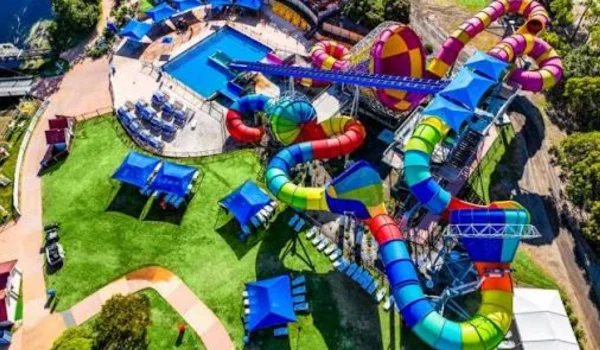
A repeat visitor is someone who returns to the same adventure park after an earlier visit.
For example:
- A family visits during summer vacation and returns during winter.
- A teenager visits with friends and later returns for a birthday.
- A customer buys an annual pass and visits several times.
- A school student returns with parents after experiencing the park on a school trip.
- A corporate employee later visits the same park with family.
Repeat visitors are valuable because the park no longer has to convince them from scratch.
They already know:
- Where the park is
- What activities are available
- How the experience works
- What facilities are provided
- What they liked during their previous visit
The next visit can therefore be easier to generate than the first.
Why Do Adventure Parks Want Repeat Visitors?
A park’s customer base can broadly be divided into:
New Visitors + Repeat Visitors
A park dependent only on new customers must continuously spend effort on discovery and acquisition.
Repeat visitors provide another growth opportunity.
A simple way to measure repeat visitation is:
Repeat Visitor Rate = Repeat Visitors ÷ Total Visitors × 100
Illustrative Example
Suppose a park receives 20,000 visitors during a period.
If 5,000 are returning customers:
Repeat Visitor Rate = 5,000 ÷ 20,000 × 100 = 25%
This is only an illustrative calculation. Actual performance should be measured using the park’s own customer and ticketing data.
Industry data from the U.S. adventure-park sector has also shown that repeat visitation can represent a substantial share of attendance; one industry report reported 42% repeat visitation among respondents that tracked the metric.
- Memberships Give Customers a Reason to Return
One of the most direct ways to encourage repeat visits is a membership or annual pass.
Instead of buying a new ticket every time, customers purchase a pass that provides access for a defined period.
Possible membership formats include:
- Annual membership
- Six-visit pass
- Family membership
- Kids membership
- Premium membership
- Monthly subscription
- Multi-visit activity pass
For example, EOD Parks currently offers annual and multi-visit options, including unlimited-entry plans and a six-visit Super Saver Pass. Its benefits also include priority access and selected discounts.
Membership changes the customer’s thinking from:
“Should I buy another ticket?”
to:
“I already have a pass, so why not visit again?”
- Memberships Work Better When They Offer Real Benefits
Simply calling something a “membership” does not guarantee repeat visits.
Customers need a reason to use it.
Useful benefits may include:
- Free or discounted entry
- Activity access
- Priority entry
- Food discounts
- Merchandise discounts
- Guest discounts
- Birthday benefits
- Member-only events
- Early access to new attractions
For example, current adventure-park membership programs in India demonstrate how loyalty can be combined with food, party and priority-entry benefits rather than relying solely on admission access.
The key is to create benefits that encourage actual visits, not merely make the membership look attractive.
- Seasonal Events Give Customers a New Reason to Visit
A customer may think:
“I have already been there.”
A seasonal event can change that.
Adventure parks can introduce events around:
- Summer holidays
- Winter vacations
- Christmas
- New Year
- Halloween-themed experiences
- Holi
- Independence Day
- Children’s Day
- School holidays
- Weekend festivals
The park may retain its core activities while adding temporary experiences.
For example:
Normal Park Experience
→ Adventure activities
Summer Event
→ Adventure + water activities + games
Winter Event
→ Adventure + camping + evening entertainment
The objective is to create a different reason for returning.
- New Activities Create Curiosity
Customers are less likely to return if every visit feels exactly the same.
Introducing new experiences can help.
A park might add:
- A new zipline
- New obstacle elements
- New climbing challenges
- Night adventure experiences
- New children’s activities
- New team games
- New photo installations
- Seasonal attractions
The announcement itself can generate interest:
“Something New Has Arrived.”
This gives previous visitors a reason to reconsider the park.
However, new activities should not compromise safety or operational standards. India’s Ministry of Tourism has circulated Model Adventure Safety Guidelines to States and Union Territories, with operators expected to follow applicable safety and licensing requirements.
- Different Experiences Can Target Different Customer Segments
A family may visit for children’s activities.
Friends may visit for adventure challenges.
Corporate groups may visit for team activities.
Couples may prefer a relaxed experience.
Teenagers may look for more challenging attractions.
Therefore, the same park can create multiple reasons for returning.
Family Visit
Kids’ activities + food + games
Friends’ Visit
Adventure challenges + competition
Corporate Visit
Team-building activities
Birthday Visit
Adventure + celebration
School Visit
Group activities + educational experience
This creates a broader customer journey.
- Birthday Events Can Generate Repeat Visits
Birthdays naturally create occasions for returning customers.
A park can offer:
- Birthday packages
- Group activities
- Party areas
- Food packages
- Decorations
- Photography
- Special birthday challenges
- Return-visit coupons
Imagine a child visits once with parents.
Later:
Visit 1: Family outing
Visit 2: Birthday party
Visit 3: Friends’ outing
The park has effectively converted one customer relationship into multiple occasions.
- Family Experiences Encourage Repeat Visits
Families can be especially valuable for repeat visitation because different family occasions create different reasons to return.
For example:
- School holiday
- Weekend outing
- Birthday
- Summer vacation
- Festival
- Family gathering
- Visiting relatives
A park that offers activities for children, teenagers and adults can potentially attract the same household at different times.
The objective is to become a family leisure destination, rather than a place visited only once.
- Create Experiences That Change Throughout the Year
One of the strongest repeat-visit strategies is experience rotation.
Imagine:
January–February
Winter adventure events
March–April
Spring activities
May–June
Summer adventure program
July–August
Monsoon-themed experiences where conditions permit
October
Festival activities
November–December
Winter and holiday experiences
The underlying park remains the same.
But the customer’s experience changes.
This creates a psychological reason to return.
- Night Experiences Can Create a Completely Different Visit
A daytime visit and an evening adventure can feel very different.
Where operationally and safely feasible, parks may develop:
- Night walks
- Evening obstacle challenges
- Night treasure hunts
- Campfire experiences
- Evening entertainment
- Illuminated activity zones
These experiences should only operate where appropriate safety systems, lighting, supervision and activity-specific procedures are in place.
The purpose is not simply to extend operating hours.
It is to create a different product experience.
- Loyalty Rewards Can Encourage More Visits
Adventure parks can introduce simple loyalty systems.
For example:
Visit 1 → 100 points
Visit 2 → 100 points
Visit 3 → 150 points
Points might be exchanged for:
- Food discounts
- Activity upgrades
- Merchandise
- Guest tickets
- Birthday benefits
- Selected experiences
Another model is a visit-based reward:
Visit 3 → Free snack
Visit 5 → Discounted activity
Visit 7 → Free entry
The reward does not always have to be expensive.
The psychological effect of progress can itself encourage customers to return.
- Guest Passes Can Turn Members Into Marketers
A membership can become more powerful when members can invite friends or family.
For example:
Member gets 1 discounted guest ticket per month.
The member receives a benefit.
The guest gets introduced to the park.
If the guest enjoys the experience, that person may become a customer.
This creates a simple cycle:
Member → Guest → New Customer → Potential Member
- Personalised Communication Can Bring Customers Back
The relationship should not end after the customer leaves.
With appropriate consent and privacy-compliant communication, parks can send relevant updates such as:
- New activity announcements
- Upcoming events
- Membership reminders
- Birthday offers
- Seasonal programs
- School-holiday activities
- Special member benefits
The communication should provide a reason to return rather than becoming repetitive promotional messaging.
- Social Media Can Create FOMO
Adventure experiences are naturally visual.
Customers may share:
- Zipline photographs
- Group challenges
- Climbing videos
- Birthday celebrations
- Team competitions
- Scenic photographs
Parks can encourage user-generated content through suitable campaigns.
For example:
“Share your adventure and tag us.”
Or:
“Best adventure photograph of the month wins a free activity.”
The objective is to turn existing visitors into part of the park’s marketing ecosystem.
- Photography Can Become Part of the Experience
Adventure parks can create dedicated photo moments.
Examples include:
- Adventure-themed signs
- Scenic viewpoints
- Group-photo areas
- Activity finish lines
- Park-branded installations
A visitor who takes photographs may share them online, creating additional exposure.
More importantly, photographs can strengthen the memory of the visit and encourage future visits.
- Corporate and School Groups Can Return
Repeat visitation does not have to come from individual consumers.
A company may return every year for its annual outing.
A school may return for its annual educational trip.
A college may return for student activities.
This creates a different form of repeat business:
Institutional Repeat Visits
For example:
School 2026 → School 2027 → School 2028
or:
Company Team Outing → Annual Corporate Offsite → Next-Year Event
The experience needs to remain reliable while still offering enough variety.
- Create Different Difficulty Levels
A visitor may complete a beginner activity on the first visit.
On the second visit, they may want something more challenging.
Therefore, parks can structure experiences around progression:
Beginner → Intermediate → Advanced
For example:
First Visit
Low-rope challenge
Second Visit
Intermediate obstacle course
Third Visit
Advanced challenge
This gives customers a sense of progression.
It is particularly useful for adventure enthusiasts and teenagers.
- Make the Second Visit Feel Different
A common mistake is assuming that the customer will return simply because the first visit was good.
A better strategy is to deliberately create a second-visit proposition.
For example:
First Visit
“Explore the park.”
Second Visit
“Try the activities you missed.”
Third Visit
“Challenge your friends.”
Fourth Visit
“Join the seasonal event.”
Membership
“Make the park your regular adventure destination.”
This creates a customer journey rather than isolated transactions.
- Events Can Build a Community
The strongest parks may eventually develop a community around their brand.
Possible communities include:
- Adventure clubs
- Kids clubs
- Weekend adventure groups
- Corporate communities
- School networks
- Photography communities
- Fitness groups
Once customers identify themselves as part of the park community, the relationship can become stronger than a simple ticket purchase.
- Safety Is Part of Customer Retention
Repeat visitation depends heavily on trust.
A customer may return when the previous experience was:
- Safe
- Well-organised
- Comfortable
- Professionally managed
- Clearly communicated
Adventure activities inherently involve risk, so safety management should remain part of the customer experience rather than being treated only as a compliance issue.
India’s Ministry of Tourism says adventure-tourism safety and convenience are primarily implemented through States and Union Territories, while the Centre has developed model safety guidelines with ATOAI and circulated them nationally.
A park that builds a reputation for responsible operations can strengthen customer confidence.
- Reliability Matters as Much as Excitement
Customers may forgive a park for not having the newest attraction.
They are less likely to forgive:
- Poor cleanliness
- Unclear rules
- Excessive queues
- Poor staff behaviour
- Unreliable booking
- Unsafe-looking equipment
- Disorganised entry
- Bad food service
Repeat visitation is therefore built through the complete experience, not just the adventure activity.
- Reduce the Friction of the Second Visit
Returning should be easy.
Useful features can include:
- Digital membership
- Online booking
- Saved customer details
- Fast entry
- Clear pricing
- Online event registration
- Digital receipts
- Membership reminders
For example, EOD Parks currently offers digital annual-pass access and priority entry as part of its membership proposition.
The less friction customers experience, the easier it becomes to visit again.
- Measure Repeat Visitors
Adventure parks should track repeat visitation rather than relying only on total footfall.
Important metrics include:
Repeat Visitor Rate
Repeat Visitors ÷ Total Visitors × 100
Visit Frequency
Total Visits ÷ Unique Visitors
Membership Renewal Rate
Renewed Memberships ÷ Expiring Memberships × 100
Event Repeat Rate
Percentage of customers attending more than one special event.
Customer Retention
Percentage of customers returning within a defined period.
Customer Lifetime Value
Estimated value generated by a customer throughout the relationship.
These metrics can help identify whether the park is building a loyal customer base.
- Example of a Repeat-Visitor Journey
Consider a hypothetical family.
Visit 1
The family buys regular tickets.
They enjoy the children’s adventure zone.
Visit 2
They return during a school holiday event.
Visit 3
The parents purchase a multi-visit pass.
Visit 4
The child celebrates a birthday at the park.
Visit 5
The family attends a seasonal event.
The customer has moved from:
One-Time Visitor → Repeat Visitor → Member → Brand Advocate
This is the long-term objective of a strong retention strategy.
- What Makes People Come Back?
A useful way to think about repeat visitation is:
Reason to Return + New Experience + Convenience + Trust
Reason to Return
Event, birthday, holiday or membership.
New Experience
New activity, seasonal theme or challenge.
Convenience
Easy booking and entry.
Trust
Safety, cleanliness and reliable service.
If one of these is missing, repeat visitation can become harder.
- Common Mistakes in Repeat-Visitor Strategy
Only Offering Discounts
Constant discounting can train customers to wait for cheaper tickets.
Launching Events Without Variety
Calling every weekend a “special event” can reduce its impact.
Ignoring Existing Customers
Marketing should not focus exclusively on acquiring new visitors.
Making Membership Too Complicated
Customers should easily understand what they receive.
Adding Activities Without Quality Control
New attractions should not be introduced merely for marketing.
Forgetting the Basic Experience
Cleanliness, staff behaviour, queues and food can influence whether visitors return.
A Practical Repeat-Visitor Strategy
An adventure park can structure its retention program around five layers:
| Layer | Example |
| First Visit | Great basic experience |
| Second Visit | New activity or seasonal event |
| Loyalty | Points or multi-visit pass |
| Membership | Annual or recurring access |
| Community | Events, clubs and member experiences |
This creates a progression from transaction to relationship.
Final Takeaway
Adventure parks create repeat visitors when they stop treating every customer visit as a one-time ticket sale.
Memberships provide a reason to return.
Events create occasions.
New activities create curiosity.
Family and corporate programs create additional use cases.
Loyalty rewards encourage frequency.
Community experiences strengthen the relationship.
But the foundation remains simple:
Give customers a reason to come back—and make the next visit worth having.
The most successful repeat-visitor strategy is therefore not simply:
“Come again.”
It is:
“Come again because there is something new, useful, exciting or memorable waiting for you.”